
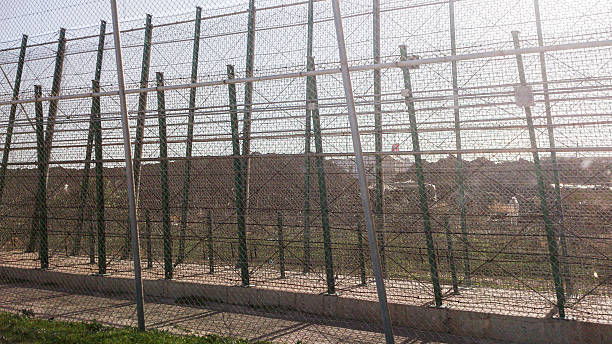
Johannesburg’s OR Tambo International Airport became the focal point of a significant BMA Interception operation, with 30 illegal immigrants—mainly Ethiopians and Bangladeshis—detained for attempting entry using fake visas. The arrests, executed just before the holiday travel surge, highlight the South African government’s commitment to national security, border control, and anti-human trafficking measures.
Authorities hailed the operation as a major success in disrupting criminal networks and reaffirmed plans to tighten immigration policies and improve intelligence-led operations. Public and media attention has amplified discussions around border security, human trafficking, and the government’s responsibility to safeguard both citizens and migrants.
How the BMA Interception Was Carried Out
The BMA Interception involved a strategic, intelligence-driven operation:
- Targeted Monitoring: Weeks of investigation into flights, visa irregularities, and travel patterns.
- Multi-Agency Coordination: Collaboration between the Border Management Authority (BMA), airport police, and national intelligence agencies.
- Timing: Conducted ahead of the holiday period to mitigate human trafficking risks.
- Detention: 30 individuals arrested, mostly Ethiopians and Bangladeshis.
Authorities emphasized that the operation showcased the effectiveness of advanced risk profiling, document verification, and inter-agency communication in stopping illegal entry.
Government Officials Speak — Policy and Enforcement
A senior government spokesperson stressed that the BMA Interception aligns with South Africa’s broader national security strategy:
“This operation demonstrates the government’s commitment to border security, law enforcement, and the prevention of human trafficking. We remain vigilant in protecting our citizens and preventing illegal entry.”
Officials highlighted that detainees are being processed in compliance with legal and humanitarian standards, and efforts are underway to identify the networks facilitating the illegal movement.
Policy Implications — Strengthening Border Security
The incident has prompted a review of immigration policies and border protocols:
- Enhanced Document Verification: Strengthened checks on visas, passports, and travel documents.
- Intelligence-Led Enforcement: Greater emphasis on predictive risk analysis and monitoring suspicious travel patterns.
- Inter-Agency Cooperation: Improved coordination between national and regional law enforcement, immigration, and intelligence units.
- Public Awareness: Campaigns to educate potential migrants about the dangers of human trafficking.
Security analysts note that such measures help deter traffickers and protect vulnerable populations from exploitation.
Human Trafficking Networks — National Security Threat
The BMA Interception uncovered links to sophisticated human smuggling networks:
- Traffickers often exploit busy airports and insufficient checks during peak travel.
- Fake visas and counterfeit documents are central tools for illegal entry.
- Criminal intermediaries promise migrants jobs or residency, masking the risk of exploitation.
Government and security agencies recognize that these networks are transnational, requiring international cooperation and policy alignment to dismantle effectively.
Public and Media Reaction — Calls for Stronger Measures
The BMA Interception has sparked widespread discussion:
- Viral images of detainees fueled debate over border security and national preparedness.
- Citizens applauded the enforcement action but urged stricter measures to prevent repeated attempts.
- Media coverage highlighted the balance between law enforcement and migrant rights, emphasizing the need for transparent government action.
Experts suggest that public scrutiny reinforces accountability and encourages authorities to adopt comprehensive, policy-driven solutions.
International Cooperation — Combating Cross-Border Trafficking
Authorities are increasingly recognizing the importance of regional and international collaboration in tackling human trafficking:
- Sharing intelligence with neighboring countries and international agencies.
- Coordinating policies to prevent the transit of illegal migrants through multiple countries.
- Joint training and capacity-building initiatives to enhance border security capabilities.
The OR Tambo BMA Interception serves as a case study for how proactive collaboration can disrupt criminal networks before they exploit vulnerable individuals.
Security Experts Weigh In
Security and immigration experts underscore the strategic importance of the BMA Interception:
- Operations like this reinforce deterrence against human smuggling networks.
- Intelligence-led border enforcement minimizes both security risks and human rights violations.
- Integration of technology, human intelligence, and policy reforms ensures long-term effectiveness.
A policy analyst stated:
“The OR Tambo interception illustrates the necessity of combining law enforcement, border intelligence, and policy frameworks. Only a multi-pronged approach can address the growing threat of human trafficking.”
Next Steps — Strengthening Policy Frameworks
Following the BMA Interception, authorities plan several initiatives:
- Policy Review: Examine current immigration and border security policies for loopholes.
- Capacity Building: Enhance training and resources for border enforcement personnel.
- Technological Upgrades: Introduce advanced document scanning, biometric verification, and AI-assisted risk analysis.
- Public Engagement: Increase awareness campaigns to discourage illegal migration and trafficker exploitation.
Government officials have stressed that these steps aim to prevent similar attempts and secure national borders while maintaining legal and humanitarian standards.
Broader Implications — National Security and Governance
The BMA Interception highlights critical issues for governance and national security:
- Border Integrity: Ensures that South Africa remains vigilant against illegal entries.
- Criminal Deterrence: Signals a clear warning to human traffickers operating domestically and internationally.
- Public Confidence: Demonstrates government commitment to safeguarding citizens and lawful migrants.
- Policy Innovation: Encourages continuous adaptation of laws and enforcement strategies to evolving threats.
Experts believe that consistent enforcement, combined with clear policy communication, strengthens public trust and minimizes security vulnerabilities.
Conclusion
The BMA Interception at OR Tambo represents a landmark operation in South Africa’s fight against human trafficking and illegal immigration. By detaining 30 illegal immigrants and disrupting a suspected smuggling network, authorities have showcased the effectiveness of intelligence-led, policy-driven enforcement.
The government’s response underscores a multi-faceted approach—combining law enforcement, policy reform, technology, and international cooperation—to protect national security and uphold the rule of law.
As investigations continue, the BMA Interception serves as a model for proactive border management, demonstrating that comprehensive policy, strategic enforcement, and humanitarian considerations can coexist. South Africa’s decisive action at OR Tambo highlights a commitment to both security and governance, ensuring that future threats from human trafficking and illegal immigration are addressed promptly and effectively.