Introduction
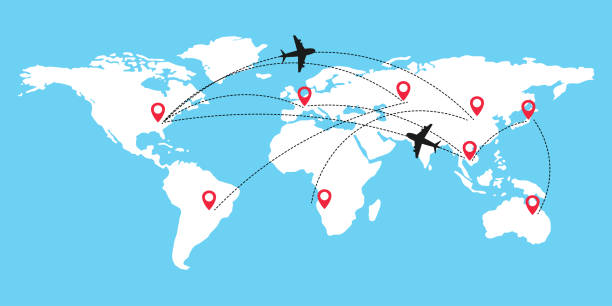
Les liaisons aériennes évoluent rapidement, et l'Afrique du Sud renforce son réseau de transport aérien. Johannesburg, principale porte d'entrée internationale du pays, gagne de nouvelles connexions vers le Botswana et un meilleur accès aux destinations long-courriers comme la France et l'Australie. Ces nouvelles liaisons ne facilitent pas seulement les déplacements — elles redessinent aussi les opportunités économiques, diplomatiques et touristiques. Le secteur aérien sud-africain est passé de la reprise à l'expansion, signe d'un regain de confiance de la part des compagnies et des investisseurs. Ces nouvelles connexions permettent par ailleurs au pays de retrouver son rôle central de hub de transit régional pour l'Afrique. Cet article revient sur onze points essentiels expliquant comment ces liaisons aériennes élargies façonnent les comportements de voyage, stimulent le commerce, renforcent les partenariats et préparent l'Afrique du Sud à un avenir mieux connecté au reste du monde.
Liaisons aériennes : 1 — La remontée en puissance de l'aviation sud-africaine
La relance des liaisons aériennes témoigne du chemin parcouru par le secteur aérien sud-africain. Un vrai retour en force est en cours après des années d'annulations de routes, de restrictions de voyage et de restructurations de compagnies. Les compagnies n'ouvrent de nouvelles liaisons que lorsque la demande et la rentabilité se rejoignent — les nouveaux vols internationaux et régionaux prouvent donc que la confiance est revenue. L'aéroport de Johannesburg retrouve son autorité de principal hub de connexion en Afrique. Les compagnies observent une hausse du trafic passagers, de la demande de fret et des voyages d'affaires — des indicateurs clés montrant que le marché est prêt à croître. Avec le retour de plusieurs compagnies et l'ajout de nouvelles rotations, le pays refait surface sur la scène mondiale de l'aviation.
Liaisons aériennes : 2 — Des déplacements régionaux plus simples et plus efficaces
Les liaisons aériennes entre Johannesburg et Gaborone simplifient les voyages transfrontaliers en Afrique australe. Auparavant, les professionnels et les responsables gouvernementaux devaient souvent compter sur de longs trajets routiers ou des correspondances fastidieuses. Désormais, plusieurs vols quotidiens permettent de relier les deux pôles financiers plus rapidement et bien plus aisément. Cette fréquence accrue soutient aussi les engagements des entreprises et du secteur public, qui dépendent d'horaires de voyage flexibles. Il devient possible de partir le matin, de conclure ses réunions dans la journée et de rentrer le soir même — ce qui améliore la productivité et réduit les coûts, aussi bien pour les entreprises que pour les voyageurs.
Liaisons aériennes : 3 — Des liens renforcés avec l'Australie pour relancer les échanges commerciaux
L'élargissement des connexions vers l'Australie est particulièrement significatif. Ces liaisons soutiennent non seulement le tourisme, mais aussi le commerce et la mobilité des compétences entre deux grandes économies minières. L'Australie et l'Afrique du Sud partagent des liens étroits dans l'ingénierie, le conseil minier, le sport et l'enseignement supérieur. Le retour des vols directs réduit la durée de voyage en supprimant les escales inutiles. Étudiants, familles, voyageurs d'affaires et professionnels peuvent ainsi se déplacer entre les deux pays plus facilement. Des voyages plus rapides ouvrent de nouvelles perspectives pour les partenariats académiques, les projets miniers communs et les échanges touristiques.
Liaisons aériennes : 4 — La France comme porte d'accès directe à l'Europe
L'augmentation des capacités entre Johannesburg et la France apporte de nombreux avantages. Paris est l'un des hubs aériens les plus fréquentés au monde et offre des correspondances vers le Royaume-Uni, le reste de l'Europe et certaines destinations en Amérique du Nord. Lorsque les voyageurs peuvent atteindre l'Europe en un seul vol sans escale, ils gagnent du temps, évitent les correspondances compliquées et profitent d'un trajet plus agréable. La France est aussi l'un des partenaires touristiques et d'investissement les plus solides de l'Afrique du Sud. Des campagnes touristiques ont ciblé les voyageurs européens en quête de safaris, de tourisme viticole et de destinations balnéaires — ce qui fait de la France un marché long-courrier stratégique.
Liaisons aériennes : 5 — Plus de connexions pour stimuler les dépenses touristiques
Le tourisme est l'un des plus grands créateurs d'emplois en Afrique du Sud, et les liaisons aériennes ont un impact direct sur le nombre de visiteurs qui entrent dans le pays. Quand le nombre de vols augmente, celui des visiteurs suit — et cela booste les revenus de l'hôtellerie, du transport touristique et des petites entreprises. Les liaisons directes attirent aussi des touristes internationaux à fort pouvoir d'achat, plus enclins à réserver des séjours plus longs et des expériences haut de gamme. Les agences de voyage, les hôtels, les opérateurs de safari et les organisateurs d'événements profitent d'un flux de visiteurs plus prévisible. Un meilleur accès aérien fait souvent la différence entre un touriste qui choisit l'Afrique du Sud plutôt qu'une destination concurrente.
Liaisons aériennes : 6 — Le fret aérien comme accélérateur des échanges commerciaux
Si beaucoup ne pensent qu'aux passagers, le fret est tout aussi important. Les liaisons directes permettent des chaînes d'approvisionnement plus rapides. Les exportations agricoles — fruits, fleurs ou produits alimentaires de spécialité — arrivent plus vite sur les marchés européens et australiens, ce qui préserve leur fraîcheur et augmente leur valeur. Le fret en soute des avions de ligne (belly cargo) est le moyen pour les exportateurs d'acheminer des produits haut de gamme à grande échelle. Les vols directs entre Johannesburg et Paris simplifient le transport des marchandises périssables. Cette efficacité donne aux exportateurs sud-africains un avantage concurrentiel et soutient des emplois essentiels dans l'agriculture, l'industrie et la logistique.
Liaisons aériennes : 7 — Un meilleur accès pour les entreprises, un moteur d'investissements étrangers
Les voyages d'affaires ont un impact direct sur les décisions d'investissement. Quand les dirigeants peuvent voyager facilement, les affaires avancent plus vite. L'élargissement des liaisons aériennes réduit les temps de trajet, favorise les réunions en face à face et permet aux dirigeants d'évaluer de nouvelles opportunités de marché. Les investisseurs sont plus enclins à s'engager lorsque les obstacles aux déplacements sont faibles. La stratégie de hub de Johannesburg attire aussi les multinationales qui ont besoin d'un accès à des vols régionaux. Si les hommes d'affaires peuvent voler entre les capitales sans délais ni longues escales, ils perçoivent le marché comme plus attractif. Une bonne connectivité rime avec une plus grande confiance des investisseurs.
Liaisons aériennes : 8 — Johannesburg vise le titre de capitale de transit de l'Afrique
L'Afrique du Sud veut devenir le point d'entrée privilégié en Afrique australe. Ces nouvelles liaisons aériennes soutiennent cette ambition. Les aéroports de correspondance se développent quand ils attirent des passagers en transit d'un vol à l'autre. La position centrale de Johannesburg offre un accès intercontinental direct et des vols régionaux de correspondance. Les passagers arrivant d'Australie ou de France peuvent atteindre le Botswana, la Namibie ou le Mozambique sans passer par des hubs étrangers. Cela renforce l'aviation locale et maintient davantage de dépenses liées au voyage à l'intérieur de la région.
Liaisons aériennes : 9 — Plus de concurrence entre compagnies, plus d'avantages pour les voyageurs
Davantage de liaisons aériennes signifie plus de concurrence entre les compagnies. Quand les transporteurs se font concurrence, ils améliorent leurs horaires, leurs tarifs et leurs services à bord. Les voyageurs profitent de meilleurs horaires de départ, de plus d'options et, potentiellement, de billets moins chers. Les compagnies améliorent aussi la valeur pour leurs clients en revoyant à la hausse les franchises bagages, les programmes de fidélité et le confort en cabine. La concurrence encourage également l'innovation dans les services — comme l'enregistrement en ligne, la modification flexible des réservations et les tarifs tout compris. Ce sont les passagers qui gagnent à chaque fois que la concurrence s'intensifie.
Liaisons aériennes : 10 — La connectivité, moteur de création d'emplois et de reprise sectorielle
Le secteur aérien touche de nombreux domaines — le tourisme, l'hôtellerie, l'agriculture, la logistique et le commerce de détail. Chaque nouveau vol contribue à créer des emplois directs et indirects. Les opérations aéroportuaires nécessitent des manutentionnaires, du personnel au sol, des services de restauration et des agents de sécurité. Les opérateurs touristiques ont besoin de chauffeurs, de guides et d'équipes d'accueil. Les nouvelles liaisons créent un effet d'entraînement : plus les gens voyagent, plus les services sont sollicités. L'élargissement des liaisons aériennes revitalise l'écosystème de l'aviation et stimule la création d'emplois dans de nombreux secteurs.
Liaisons aériennes : 11 — Des voyages plus pratiques pour une meilleure expérience passager
Ce sont les passagers qui bénéficient le plus des nouvelles liaisons aériennes. Les vols directs réduisent la fatigue, éliminent les visas de transit inutiles et raccourcissent la durée totale du voyage. Les voyageurs atteignent leurs destinations plus vite et avec moins de retards. Les étudiants à l'étranger vivent des déplacements plus fluides. Les familles qui rendent visite à des proches profitent de voyages saisonniers plus simples. Les voyageurs d'affaires peuvent assister à des réunions sans perdre des journées entières en transit. Le plus grand avantage reste la flexibilité — la liberté de choisir des vols qui correspondent à ses horaires, son budget et ses objectifs de voyage.
FAQs
Q1 : Comment les nouvelles liaisons aériennes profitent-elles à l'Afrique du Sud ?
Elles stimulent le tourisme, le commerce, le transport de fret et attirent les investissements étrangers grâce à une meilleure connectivité mondiale.
Q2 : Est-ce que davantage de liaisons aériennes va faire baisser le prix des billets ?
Oui. Une concurrence accrue entraîne généralement des tarifs plus abordables et de meilleures options de voyage.
Q3 : Quels pays sont concernés par les nouvelles liaisons aériennes ?
Le Botswana est le nouvel ajout régional, tandis que la France et l'Australie renforcent les liaisons long-courriers.
Conclusion
Les liaisons aériennes transforment la présence mondiale de l'Afrique du Sud et son potentiel économique. Les nouvelles connexions et celles élargies vers le Botswana, la France et l'Australie prouvent que les compagnies aériennes voient une demande et des opportunités à long terme. Ces liaisons ouvrent de nouvelles perspectives de croissance touristique, renforcent le commerce, élargissent les opportunités de fret, et encouragent les investissements étrangers. Johannesburg retrouve rapidement son statut de principal hub international d'Afrique. À chaque nouvelle route ouverte, l'Afrique du Sud devient plus accessible, plus compétitive et mieux connectée au reste du monde.