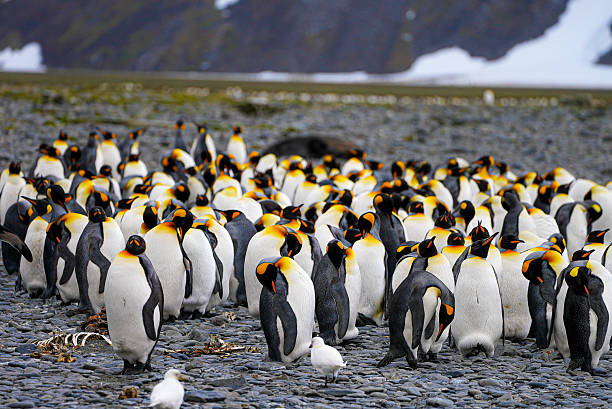
Nuclear Penguins sont devenus, contre toute attente, le point central d'un débat national grandissant après qu'Eskom a confirmé qu'il évalue un site côtier situé à proximité d'une colonie de manchots africains en voie de disparition pour l'implantation d'une éventuelle nouvelle centrale nucléaire. Si le groupe énergétique présente cette évaluation comme une démarche de planification à long terme, les défenseurs de l'environnement avertissent que le projet pourrait faire courir un risque sérieux à l'une des espèces les plus menacées d'Afrique du Sud.
Cette situation a relancé le débat sur la manière dont le pays concilie ses besoins urgents en électricité avec la protection de l'environnement et de la biodiversité.
Que s'est-il passé ?
Eskom a annoncé qu'il mène des évaluations préliminaires sur plusieurs sites potentiels pour la production nucléaire future, dont un site côtier situé à proximité d'une zone de reproduction de manchots protégée. Le manchot africain, déjà classé espèce en danger, a connu une baisse dramatique de sa population au cours des dernières décennies.
Bien qu'Eskom précise que cette évaluation ne garantit pas une construction, la proximité du site avec des habitats naturels sensibles a semé l'inquiétude parmi les groupes environnementaux.
Pourquoi l'énergie nucléaire revient sur la table
La crise énergétique persistante en Afrique du Sud, marquée par des coupures de courant répétées et des infrastructures charbonnières vieillissantes, a contraint les décideurs à reconsidérer des alternatives à long terme. L'énergie nucléaire est perçue par certains comme une option fiable et bas-carbone, capable de fournir une électricité de base stable.
Les planificateurs énergétiques soutiennent que les sites côtiers présentent des avantages techniques en raison de :
- Un accès facile à l'eau de refroidissement
- Des corridors d'infrastructure déjà en place
- Un risque sismique moindre dans certaines régions
Les critiques font pourtant valoir que l'affaire des Nuclear Penguins montre que l'adéquation technique ne rime pas forcément avec acceptabilité environnementale.
Les manchots africains en danger
Les manchots africains ont subi des pertes de population de plus de 90 % au cours du siècle dernier, en raison de la surpêche, des marées noires, de la destruction des habitats et du changement climatique. Les experts en conservation avertissent que tout développement industriel supplémentaire à proximité des colonies de reproduction pourrait aggraver ce déclin.
Les impacts potentiels liés à la construction nucléaire comprennent notamment :
- Une augmentation du bruit perturbant les cycles de reproduction
- Des perturbations de l'habitat dues au développement des infrastructures
- Une activité humaine accrue à proximité des sites de nidification
Les scientifiques spécialisés en environnement estiment que même une perturbation indirecte pourrait avoir des conséquences à long terme pour l'espèce.
Les garanties environnementales d'Eskom
Eskom a insisté sur le fait que toutes les propositions nucléaires sont soumises à un contrôle environnemental strict. Le groupe affirme que des évaluations d'impact environnemental examineront les risques pour la faune sauvage, les écosystèmes marins et les communautés environnantes avant toute décision finale.
Dans ses déclarations officielles, Eskom a indiqué que les préoccupations liées aux Nuclear Penguins seraient traitées dans le cadre de processus réglementaires conçus pour protéger la biodiversité et garantir le respect des normes de conservation nationales et internationales.
Les groupes environnementaux montent au créneau
Les organisations de conservation ont réagi vivement, soutenant que la présence d'espèces en danger devrait automatiquement exclure tout développement dans des zones sensibles. Ces groupes affirment que l'Afrique du Sud a une obligation légale et morale de protéger la faune menacée.
« On ne peut pas se réclamer du développement durable tout en exposant des espèces en danger », a déclaré un défenseur de l'environnement.
Les militants demandent à Eskom de donner la priorité à des options énergétiques alternatives qui ne mettent pas en danger les écosystèmes protégés.
Réactions du public et débat en ligne
La question a rapidement pris de l'ampleur en ligne, où des images de manchots africains ont suscité des réactions très émotionnelles. Sur les réseaux sociaux, les utilisateurs ont présenté ce débat comme un choix tranché entre sécurité énergétique et responsabilité environnementale.
Le débat public autour des Nuclear Penguins traduit une frustration plus large face aux décisions d'infrastructure qui semblent faire l'impasse sur les coûts écologiques.
Des défis juridiques et réglementaires en perspective
Des experts juridiques estiment qu'Eskom pourrait se heurter à d'importants obstacles si le projet va de l'avant. Le droit environnemental sud-africain offre une protection solide aux espèces en danger et exige des consultations approfondies ainsi qu'un plan d'atténuation des impacts.
Tout manquement dans la prise en compte adéquate des risques liés aux Nuclear Penguins pourrait entraîner :
- Des recours en justice
- Des retards dans le projet
- Des dommages à la réputation d'Eskom
D'autres projets d'infrastructure ayant affecté des espèces protégées ont déjà fait l'objet de plusieurs années de procédures judiciaires.
L'avis des experts en énergie
Les analystes en énergie estiment que le nucléaire pourrait contribuer à stabiliser le réseau électrique sud-africain, mais soulignent que la confiance du public est indispensable.
Les experts soulignent :
- Les projets nucléaires nécessitent de longues échéances et une acceptation sociale
- Les controverses environnementales peuvent faire dérailler les avancées
- Les énergies renouvelables pourraient offrir des solutions plus rapides et moins conflictuelles
Ils soutiennent qu'Eskom doit clairement démontrer pourquoi ce site s'impose malgré les préoccupations liées aux Nuclear Penguins.
Les alternatives énergétiques
Les opposants au projet estiment que les énergies renouvelables, notamment l'éolien et le solaire, pourraient répondre à la demande sans menacer les espèces en danger. L'Afrique du Sud dispose d'un potentiel renouvelable important, notamment dans les régions côtières.
Les économistes spécialisés en environnement suggèrent :
- Développer les énergies renouvelables pourrait être plus rentable
- La production décentralisée réduit l'impact écologique
- Un déploiement plus rapide pourrait atténuer les pénuries d'électricité plus tôt
Ce débat a relancé les interrogations sur le bien-fondé du nucléaire comme choix à long terme.
Quelle est la suite ?
Eskom devrait poursuivre ses évaluations de sites et ses études environnementales au cours des prochains mois. Les consultations publiques et les expertises scientifiques joueront un rôle clé pour déterminer si le projet va de l'avant.
Si les risques environnementaux sont jugés trop élevés, le groupe pourrait être contraint d'abandonner le site et de revoir sa stratégie nucléaire.
Conclusion
La controverse autour des Nuclear Penguins illustre les arbitrages difficiles auxquels fait face l'Afrique du Sud dans sa quête d'une électricité fiable tout en préservant son patrimoine naturel. L'évaluation du site côtier par Eskom a mis les préoccupations environnementales au premier plan, obligeant les décideurs à concilier planification énergétique et engagements en matière de conservation.
À mesure que le débat se poursuit, l'avenir énergétique de l'Afrique du Sud et le sort de ses manchots en danger pourraient bien dépendre des décisions prises dans les mois à venir.