
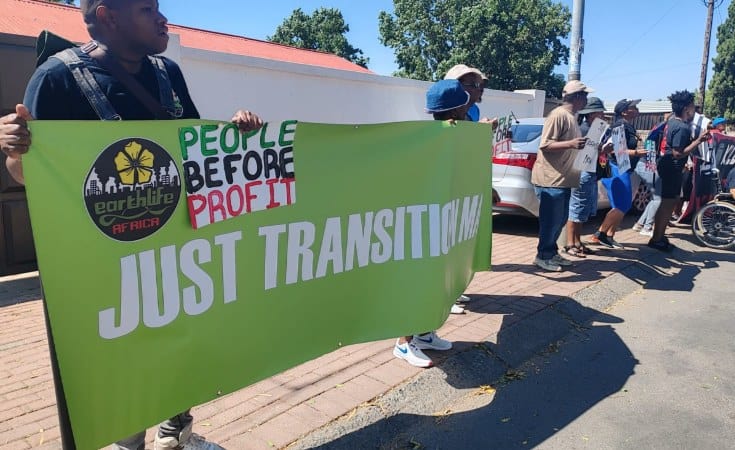
Introduction to Just Energy South Africa
South Africa’s energy sector stands at a crossroads with the ambitious yet controversial “Just Energy Transition” plan. This initiative aims to reduce the nation’s heavy reliance on coal by shifting towards sustainable and renewable energy sources. However, the debate online reveals a fierce battle between proponents who see this as a necessary solution to climate change and opponents who warn of potential socio-economic fallout. Understanding the complexities of Just Energy South Africa is crucial for grasping the future direction of the country’s energy landscape.
1. The Importance of Just Energy South Africa in Combating Climate Change
Just Energy South Africa represents a critical effort to align the country’s energy production with global climate goals. By targeting the reduction of coal-fired power generation, it aims to cut greenhouse gas emissions significantly. The initiative reflects the global push for cleaner energy but must navigate the challenges unique to South Africa’s economy, which heavily depends on coal mining jobs and affordable electricity for millions. This balance between environmental urgency and social responsibility forms the backbone of the debate around Just Energy South Africa.
2. Economic Challenges Embedded in the Transition
While the environmental benefits of Just Energy South Africa are clear, the economic challenges cannot be ignored. Coal mining is a significant source of employment, and the shift threatens many livelihoods. Critics argue that without a robust plan for economic diversification and worker retraining, the transition may deepen inequality and unemployment. The online battle includes voices warning that hastily abandoning coal could destabilize South Africa’s economy, highlighting the complex trade-offs involved.
3. Political Controversies Surrounding Just Energy South Africa
The political landscape deeply influences the implementation of Just Energy South Africa. Some politicians and interest groups support the initiative, viewing it as a progressive step toward sustainability. Others, however, accuse it of being a “scam” or a “clone” of international agendas imposed without regard for local realities. This politicization fuels public skepticism and complicates consensus-building, making it harder to implement effective policies.
4. Social Implications of the Energy Transition
Communities dependent on coal mining face uncertainty as Just Energy South Africa advances. The social fabric of these regions risks strain from job losses and reduced economic activity. There is a pressing need for social safety nets, investment in education, and alternative employment opportunities to ensure the transition does not disproportionately harm vulnerable populations. These concerns are frequently discussed in online forums debating the plan’s fairness and feasibility.
5. Technological Innovations Driving Just Energy South Africa Forward
Despite challenges, technological advancements offer hope. Innovations in renewable energy, such as solar and wind power, are becoming more cost-effective and scalable. Just Energy South Africa aims to leverage these technologies to replace coal capacity while ensuring grid stability. Investments in energy storage and smart grids also play a pivotal role. The success of these innovations could determine whether the transition fulfills its promise as a sustainable and just solution.
6. Just Energy South Africa: Overcoming Financial Barriers
The financial investment required for Just Energy South Africa is immense. Transitioning from coal to renewable energy demands billions in funding, which raises concerns about the sources and allocation of these funds. International support, public-private partnerships, and government subsidies are crucial components of the financial framework. Transparency and accountability in these financial dealings are vital to prevent corruption and mismanagement, which could derail the initiative. Without a robust financial plan, the risks of failure increase, and the potential benefits for the environment and society might never be realized.
Moreover, the international climate finance landscape is evolving rapidly, with funds increasingly tied to strict environmental and social criteria. South Africa must navigate these requirements carefully to secure funding without compromising its economic development goals. The role of institutions like the Green Climate Fund becomes paramount, offering financial support to countries aiming to reduce emissions while fostering sustainable growth. Navigating these complex funding mechanisms requires skilled negotiation and strategic planning from the government and stakeholders.
In addition, mobilizing private sector investment is critical. Renewable energy projects often require upfront capital, which can be risky without guaranteed returns. To attract investors, South Africa must develop incentives, reduce bureaucratic hurdles, and ensure policy stability. Public-private partnerships can provide a pathway to leverage private capital while sharing risks and benefits. The successful combination of these financial resources will determine the pace and scale of the Just Energy transition.

7. Employment Opportunities in the Renewable Energy Sector
One of the promises of Just Energy South Africa is the creation of new employment opportunities in the renewable energy industry. This sector encompasses solar panel manufacturing, wind farm construction and operation, energy efficiency initiatives, and related services. These industries have the potential to absorb many workers displaced by the decline of coal mining and coal-fired power plants. However, the transition is not straightforward, as it requires extensive workforce retraining and education.
The government and private sector must collaborate to provide comprehensive re-skilling and upskilling programs. These programs need to be accessible to workers from coal-dependent communities, many of whom may have limited formal education. Partnerships with vocational schools, universities, and industry players can help bridge the skills gap. Furthermore, creating local manufacturing hubs for renewable energy components could boost job creation beyond just operational roles.
Another critical factor is ensuring inclusivity, so women, youth, and marginalized groups benefit equally from new job opportunities. This focus aligns with broader social equity goals within the Just Energy South Africa framework. Monitoring and evaluation mechanisms should track employment outcomes to adjust policies and programs as needed. This strategic approach to workforce development is essential to maximize the social benefits of the energy transition.

8. Environmental Benefits of the Transition
Reducing South Africa’s dependence on coal-fired power plants is expected to bring substantial environmental benefits. Coal combustion is a major contributor to air pollution, releasing particulate matter, sulfur dioxide, and nitrogen oxides that harm human health. The shift towards renewable energy sources such as solar and wind can significantly lower these emissions, improving air quality and reducing respiratory illnesses in affected communities.
Additionally, coal mining and burning consume vast amounts of water, straining South Africa’s already limited water resources. Renewable energy technologies generally require less water, helping to conserve this precious resource. Transitioning energy production also contributes to preserving ecosystems and biodiversity, as coal mining can lead to habitat destruction and soil degradation.
However, it is important to manage the environmental impacts of renewable energy infrastructure itself. For instance, wind farms and solar installations must be sited carefully to avoid disrupting sensitive habitats or migratory bird paths. Environmental impact assessments and community consultations are vital to ensure that the transition is sustainable in all aspects.

9. Public Perception and Media Influence
The success of Just Energy South Africa depends heavily on public perception and media narratives. Media coverage shapes how the public understands the benefits and challenges of the transition. Unfortunately, misinformation and politically motivated narratives sometimes cloud the discussion, fostering skepticism and resistance among some groups. Transparent communication strategies that provide clear, factual information can counteract these effects and build trust.
Social media platforms are both a challenge and an opportunity in this regard. While they can spread rumors quickly, they also offer a means to engage communities, solicit feedback, and highlight success stories. Community engagement initiatives that include local leaders and stakeholders can enhance the legitimacy of the transition process. Building broad-based support is critical to overcoming resistance and ensuring smooth policy implementation.
Trusted news sources and NGOs also play a pivotal role in educating the public and maintaining pressure on policymakers to deliver promised outcomes. By promoting informed debate, they can help bridge divides and foster collective action toward sustainable energy goals.

10. Future Prospects and Strategic Planning
Looking ahead, Just Energy South Africa must be embedded in a long-term strategic vision that integrates economic growth, social justice, and environmental sustainability. Adaptive policies that can respond to evolving technologies, market conditions, and social needs will be essential. Continuous stakeholder engagement, including workers, communities, investors, and government agencies, is key to maintaining momentum and addressing emerging challenges.
Monitoring and evaluation frameworks must be established to track progress, measure impacts, and ensure accountability. Lessons learned from initial phases can inform adjustments and improvements. Success in South Africa could provide a blueprint for other coal-dependent countries navigating similar energy transitions, making it a global reference point.
In this context, international collaboration and knowledge sharing are invaluable. South Africa’s experience will contribute to the global discourse on sustainable energy transitions and climate change mitigation.

Learn more about the evolving energy landscape in Africa by reading our latest article on Recent Energy Developments in Africa.
Source: allAfrica
Table of Contents