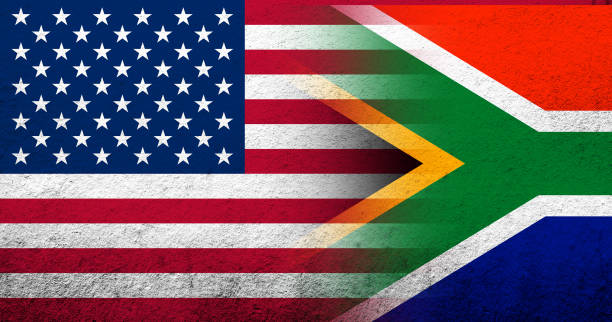
La montée de l'afrophobie parmi les expatriés sud-africains aux États-Unis suscite une vive inquiétude, avec des signalements de profilage racial, de discrimination au travail et de difficultés liées aux visas.
L'entrepreneur expatrié Vusimuzi Mbatha a publiquement critiqué le gouvernement sud-africain pour sa lenteur à réagir, réclamant des mesures de protection plus solides pour les citoyens établis à l'étranger.
Des villes comme New York, Los Angeles et Washington DC ont connu une recrudescence des incidents de harcèlement, d'exclusion sociale et de complications administratives touchant les expatriés sud-africains, une situation aggravée par les discours en ligne sur le prétendu « génocide blanc » en Afrique du Sud.
Que s'est-il passé ?
Les expatriés sud-africains signalent plusieurs problèmes qui alimentent cette montée de l'afrophobie :
- Profilage racial aux points de contrôle de l'immigration, entraînant des retards et du stress.
- Complications liées aux visas, notamment des refus et des retards de traitement pour les permis de travail et d'études.
- Harcèlement au travail et dans la vie sociale, découlant d'attitudes préjudiciables.
Mbatha a déclaré :
« La montée de l'afrophobie est réelle, et les Sud-Africains à l'étranger sont en danger. Notre gouvernement doit agir de toute urgence. »
Pourquoi cette montée de l'afrophobie est préoccupante
1. L'impact de la désinformation en ligne
- Les allégations de « génocide blanc » en Afrique du Sud sont invoquées dans des actes discriminatoires contre les expatriés sud-africains.
- Des experts avertissent que la désinformation attise les préjugés et la peur au sein des communautés de la diaspora.
2. Obstacles juridiques et administratifs
- Les retards et les refus inattendus de visas créent une incertitude et perturbent les projets professionnels et académiques.
- Les expatriés font face à des obstacles bureaucratiques sans bénéficier d'un soutien suffisant de la part des autorités sud-africaines.
3. Préjugés sociaux et harcèlement
- Les microagressions, la discrimination au travail et le harcèlement en public sont en hausse.
- Beaucoup d'expatriés se sentent sans soutien et vulnérables, ce qui soulève des préoccupations urgentes en matière de sécurité.
Déclarations officielles
Représentants de la diaspora
- Vusimuzi Mbatha et d'autres représentants de la communauté réclament une intervention immédiate du gouvernement.
- Des organisations plaident pour un soutien juridique et des mesures de protection consulaire pour les citoyens vulnérables.
Le gouvernement sud-africain
- Les autorités reconnaissent les problèmes mais soulignent que des structures d'appui existent déjà.
- Aucune nouvelle initiative de protection n'a été officiellement annoncée.
Les autorités américaines
- Des procédures d'immigration standardisées sont en place, mais des experts soulignent que les biais et la discrimination peuvent quand même survenir.
Réactions sur les réseaux sociaux
Le sujet de la montée de l'afrophobie prend de l'ampleur sur des plateformes comme X (Twitter), LinkedIn et Facebook :
- Voix de soutien :
« Les expatriés sud-africains ont besoin de protection — cette montée de l'afrophobie est alarmante. » - Commentaires analytiques :
« L'afrophobie parmi les expatriés africains est en hausse à l'échelle mondiale et nécessite une attention immédiate. » - Voix critiques :
« Les signalements doivent être vérifiés, mais les incidents sont préoccupants et appellent à une réaction. »
Hashtags tendance
- AfrophobiaRise
- SAExpats
- DiasporaSafety
VusimuziMbatha
Données et contexte
- Plus de 200 000 Sud-Africains vivent aux États-Unis, avec une concentration dans les secteurs technologique, médical et académique.
- Les incidents d'afrophobie auraient augmenté de 15 % en 2025 dans les grandes villes américaines.
- Les retards de visa touchent environ 40 % des nouveaux demandeurs, entraînant des contretemps professionnels et académiques.
Des experts soulignent que l'intervention du gouvernement et les programmes de soutien à la diaspora sont indispensables pour contrer cette montée de l'afrophobie.
Et maintenant ?
- Action gouvernementale :
- Introduction possible de mesures de sécurité pour la diaspora et de programmes d'aide juridique.
- Introduction possible de mesures de sécurité pour la diaspora et de programmes d'aide juridique.
- Réseaux communautaires :
- Les expatriés mettent en place des groupes de soutien et des lignes d'assistance pour leur sécurité et leur défense.
- Les expatriés mettent en place des groupes de soutien et des lignes d'assistance pour leur sécurité et leur défense.
- Suivi et signalement :
- Les cas de discrimination et de harcèlement sont recensés afin d'alerter les autorités et de déclencher des mesures de protection.
- Les cas de discrimination et de harcèlement sont recensés afin d'alerter les autorités et de déclencher des mesures de protection.
- Collaboration internationale :
- Les appels à une coopération entre les États-Unis et l'Afrique du Sud se multiplient pour protéger les droits des expatriés et garantir un traitement équitable.
- Les appels à une coopération entre les États-Unis et l'Afrique du Sud se multiplient pour protéger les droits des expatriés et garantir un traitement équitable.
Conclusion
La montée de l'afrophobie parmi les expatriés sud-africains aux États-Unis met en lumière l'urgente nécessité d'une intervention gouvernementale, d'un soutien communautaire et d'une collaboration internationale.
Face à la recrudescence du harcèlement, des problèmes de visa et de la discrimination, la sécurité et le bien-être des citoyens sud-africains à l'étranger restent une préoccupation majeure.