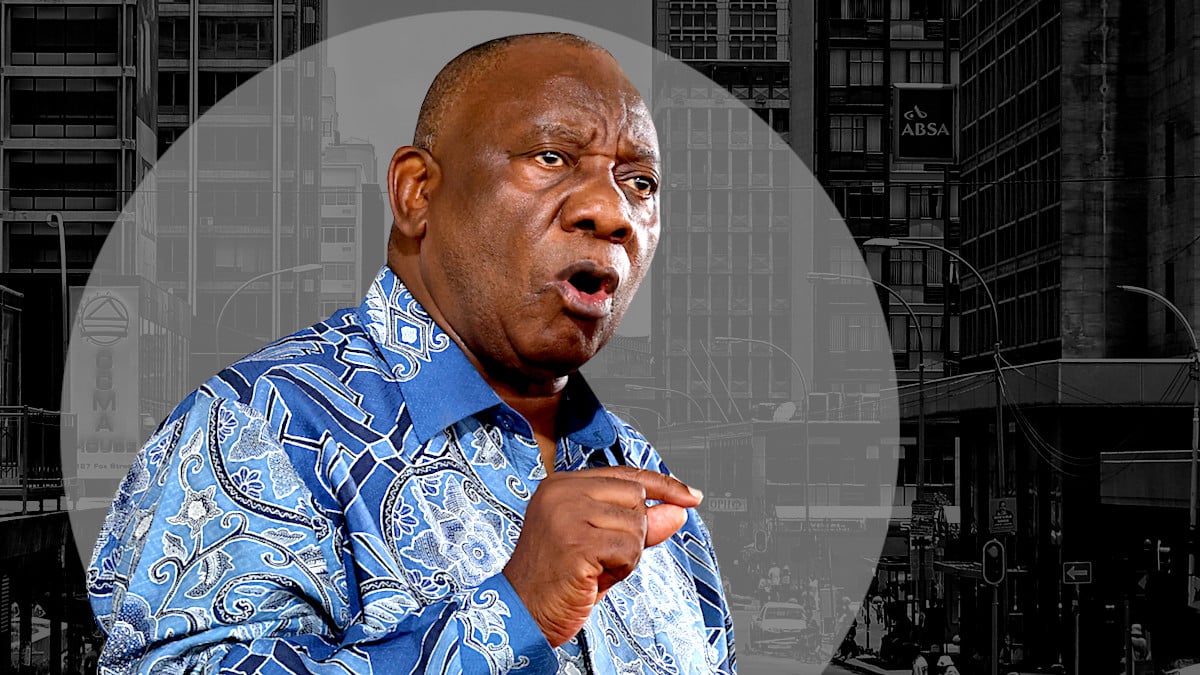
L'avertissement de Ramaphosa a été au cœur du message délivré cette semaine au Conseil général national de l'ANC, où le président Cyril Ramaphosa a lancé une mise en garde ferme contre l'influence grandissante des discours suprémacistes blancs qui circulent aussi bien localement qu'à l'international. Selon lui, les affirmations selon lesquelles les Afrikaners blancs seraient persécutés en Afrique du Sud sont non seulement fausses, mais dangereuses pour l'unité nationale. Ses propos ont placé la cohésion sociale au cœur du débat national, en montrant comment la désinformation peut fracturer les communautés et saper les avancées démocratiques réalisées depuis 1994.
Le président a affirmé que ces récits reflètent les idéologies d'extrême droite mondiales qui instrumentalisent la race pour alimenter la méfiance et déstabiliser les sociétés. Selon lui, laisser ces récits prendre de l'ampleur risque d'annuler des décennies de travail visant à bâtir une Afrique du Sud non raciale et inclusive. Il a présenté la question non seulement comme un enjeu politique, mais comme une menace sociale profonde, capable de remodeler l'opinion publique et d'influencer l'identité nationale.
Pourquoi cet avertissement est crucial pour la cohésion sociale
La démocratie sud-africaine repose sur le principe de l'unité entre les lignes raciales, culturelles et linguistiques. La mise en garde du président reflète la crainte que la désinformation visant les citoyens blancs ne rouvre de vieilles divisions et ne compromette l'équilibre fragile de la coexistence que le pays a mis tant d'efforts à construire.
Les spécialistes de la cohésion sociale estiment que la désinformation se propage le plus vite dans les sociétés déjà confrontées aux inégalités, à la méfiance et aux tensions politiques. L'histoire complexe de l'Afrique du Sud la rend particulièrement vulnérable aux récits polarisants. Quand de fausses affirmations circulent laissant entendre qu'un groupe est pris pour cible, cela alimente la peur et le ressentiment, favorisant l'isolement plutôt que l'unité.
Ramaphosa a insisté sur le fait que le pays ne peut pas laisser de faux récits raciaux éclipser les véritables progrès accomplis en matière de réconciliation et de coexistence. Il a rappelé que la criminalité touche tous les Sud-Africains, sans distinction de race, et a mis en garde contre la présentation sélective des incidents pour sous-entendre un ciblage racial, qu'il a qualifiée de manipulatrice et dangereuse.
Les responsables communautaires réagissent à l'avertissement
Dans les différentes provinces, les responsables communautaires ont réagi à cette mise en garde de manière partagée, mais avec un réel intérêt. Beaucoup ont salué le message, estimant que les campagnes de désinformation visant les citoyens blancs créent souvent une peur inutile dans des communautés déjà fragilisées par les pressions économiques.
Des responsables d'organisations axées sur la réconciliation ont déclaré que les faux récits anéantissent des années de consolidation de la paix et de dialogue entre les groupes. Selon eux, une fois que la désinformation s'installe, il devient plus difficile d'instaurer la confiance, surtout dans les régions rurales où l'accès à une information équilibrée est limité.
Dans le même temps, certains membres de la communauté ont exprimé leur frustration face à un discours gouvernemental qui n'aborde pas les défis sociaux plus larges — le chômage, les inégalités et les lacunes des forces de l'ordre — qui ouvrent la porte à la désinformation. Pour eux, si l'avertissement du président était nécessaire, il a aussi mis en évidence les lacunes dans la communication entre le gouvernement et les citoyens.
Le rôle des réseaux sociaux et de la propagation de la peur en ligne
Les plateformes de communication numérique ont joué un rôle majeur dans ce qui a amené Ramaphosa à lancer cet avertissement. L'espace en ligne est devenu un terrain fertile pour les récits qui déforment les statistiques criminelles et alimentent la peur raciale. Selon des analystes, ces récits se propagent à travers de courtes publications ou vidéos virales affirmant que les citoyens blancs sont systématiquement pris pour cible, alors que les données ne montrent aucun tel schéma.
Les algorithmes des réseaux sociaux amplifient les contenus qui suscitent de fortes émotions, si bien que les récits raciaux fondés sur la peur dépassent souvent en portée les reportages factuels. Cette dynamique permet à des récits marginaux de sembler dominants, créant de l'anxiété chez des lecteurs qui n'ont pas forcément accès à des informations fiables.
Des groupes de recherche qui suivent le discours en ligne notent que l'Afrique du Sud est de plus en plus identifiée comme une cible de premier plan pour des groupes idéologiques internationaux. Ces groupes utilisent l'histoire raciale du pays pour renforcer leurs propres agendas mondiaux, présentant souvent la nation comme un exemple de « victimisation blanche » sous un gouvernement dirigé par des Noirs.
Dans son avertissement, Ramaphosa a reconnu cette tendance directement, la qualifiant d'effort coordonné pour exploiter les vulnérabilités sociales de l'Afrique du Sud.
Dynamiques raciales et fragilité de l'identité post-apartheid
L'identité post-apartheid de l'Afrique du Sud est ancrée dans la réconciliation, l'égalité et la conviction que des communautés diverses peuvent coexister pacifiquement. Cependant, la montée des récits manipulés remet cette base en question.
Des sociologues ayant analysé les propos du président estiment que cet avertissement signale une crise plus large de l'identité nationale. La propagation de la désinformation visant des groupes raciaux spécifiques érode la confiance, nourrit les stéréotypes et crée des réalités parallèles au sein de la société. Quand les communautés commencent à interpréter le monde à travers des faits différents — ou de la désinformation — la cohésion sociale s'affaiblit.
La déclaration du président a également reconnu une vérité plus profonde : bâtir l'unité est un processus continu, pas un projet achevé. Les peurs raciales ne disparaissent pas simplement parce qu'un cadre politique exige l'inclusivité. Elles doivent être activement traitées par le dialogue, la transparence et une communication responsable.
Le point de vue des jeunes : confusion et inquiétude
Beaucoup de jeunes Sud-Africains ont réagi à l'avertissement de Ramaphosa avec inquiétude. Ils ont exprimé leur frustration de voir les récits raciaux continuer à éclipser des questions comme l'emploi, l'éducation et la sécurité. Certains se sont sentis découragés par l'influence persistante de la désinformation, tandis que d'autres ont vu le message du président comme un appel à s'engager de manière critique avec les contenus en ligne.
Des organisations de jeunesse ont exhorté les écoles, les universités et les plateformes médiatiques à mettre en place des campagnes éducatives pour aider les jeunes à identifier la désinformation. Selon elles, une jeunesse bien informée est essentielle pour maintenir l'harmonie sociale dans un monde numérique en rapide évolution.
Certains étudiants ont vu dans cet avertissement une occasion d'ouvrir des discussions sur la race dans l'Afrique du Sud contemporaine — des conversations qui restent souvent informulées mais qui influencent quand même les interactions quotidiennes.
Ce que cet avertissement dit de l'unité nationale
La mise en garde de Ramaphosa renforce l'idée que l'unité exige une protection active. Le président a insisté sur le fait que la cohésion sociale n'est pas seulement un objectif politique, mais une obligation morale pour tous les Sud-Africains. Il a exhorté les citoyens à reconnaître la désinformation comme une menace non seulement pour la stabilité politique, mais pour le tissu même de la société.
Des organisations communautaires ont abondé dans ce sens, notant que la désinformation engendre la division en créant des récits où les voisins deviennent des menaces et où la peur l'emporte sur l'identité commune. Pour elles, cet avertissement est un appel à réaffirmer l'engagement de l'Afrique du Sud en faveur du non-racialisme.
Le message cherche également à rassurer les groupes minoritaires en leur rappelant que la démocratie sud-africaine a été bâtie pour protéger toutes les communautés de manière égale. Ramaphosa a insisté sur le fait que la constitution reste un bouclier pour tous, quelle que soit leur race ou leur origine.
Prochaines étapes : bâtir une société résiliente
Suite à ce discours, les ministères sont censés déployer un plan de communication coordonné pour lutter contre la désinformation raciale. Cela inclut des partenariats avec la société civile, les institutions académiques et les responsables communautaires. Les responsables affirment que l'objectif n'est pas la censure, mais la transparence — aider les citoyens à distinguer les faits des distorsions.
Plusieurs provinces prévoient d'organiser des dialogues communautaires axés sur les relations raciales, la culture numérique et la responsabilité démocratique. La présidence estime que ces initiatives peuvent contrer l'environnement de peur qui permet à la désinformation de prospérer.
Conclusion
L'avertissement de Ramaphosa a déclenché un débat national qui dépasse largement la sphère politique. Il invite les Sud-Africains à réfléchir à la manière dont la désinformation peut fracturer les communautés, déformer l'identité nationale et saper des décennies de réconciliation. Alors que le pays fait face à des dynamiques raciales complexes et à la manipulation numérique, l'appel à l'unité et à la vigilance critique devient de plus en plus urgent. Si cet avertissement renforcera la cohésion sociale dépendra de la façon dont les citoyens, les communautés et les institutions répondront dans les semaines à venir.