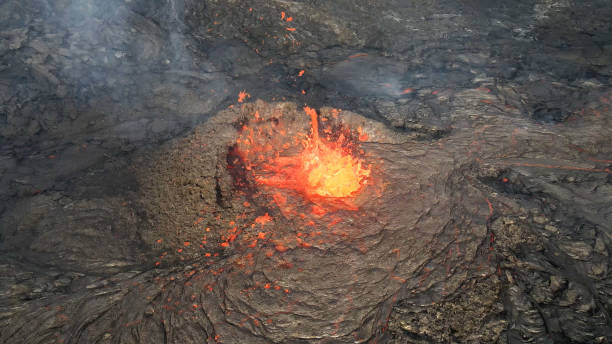
Une alerte volcanique a été émise au Piton de la Fournaise, à La Réunion, après une reprise de l'activité sismique et une intrusion magmatique stoppée avant d'atteindre la surface. Ces phénomènes soulèvent des inquiétudes quant aux impacts environnementaux potentiels. Aucune éruption n'a eu lieu pour l'instant, mais les scientifiques préviennent que des tremblements persistants et des mouvements de magma pourraient affecter les écosystèmes fragiles de l'île, ses ressources en eau et sa biodiversité.
Les écologistes suivent la situation de près, en soulignant que même une activité volcanique sans éruption peut avoir des conséquences écologiques importantes, notamment pour les espèces endémiques et les réserves naturelles protégées.
Les enjeux environnementaux
Le Piton de la Fournaise se trouve au cœur du Parc national de La Réunion, classé au patrimoine mondial de l'UNESCO pour sa richesse en biodiversité. L'île abrite une flore et une faune uniques, avec des plantes, des oiseaux et des insectes endémiques.
Même sans éruption en surface, l'activité volcanique peut affecter l'environnement de plusieurs façons :
- Glissements de terrain liés aux séismes : les tremblements déstabilisent les pentes et peuvent provoquer des chutes de rochers.
- Échauffement du magma en sous-sol : cela peut modifier la composition chimique du sol et nuire à la végétation.
- Modifications hydrologiques : les nappes phréatiques peuvent changer de trajectoire, ce qui influe sur la disponibilité en eau pour les écosystèmes.
- Émissions de gaz : une hausse du CO₂ ou du SO₂ peut endommager la végétation et dégrader la qualité de l'air.
Les écologistes insistent sur le fait que les alertes volcaniques permettent de déclencher des mesures de précaution pour protéger ces habitats vulnérables.
Intrusion magmatique et stress sur les écosystèmes
La récente intrusion magmatique sous le Piton de la Fournaise, bien qu'arrêtée avant d'atteindre la surface, a provoqué une légère déformation du sol. Même des mouvements minimes peuvent :
- Perturber les systèmes racinaires des plantes indigènes
- Affecter les sites de nidification des oiseaux en altitude
- Accentuer l'érosion des sols, entraînant des nutriments dans les rivières et les cours d'eau
La Dre Anne-Claire Dupont, écologiste au Parc national de La Réunion, a expliqué :
« Les tremblements volcaniques ne produisent pas nécessairement de la lave, mais ils ébranlent des écosystèmes fragiles. Pendant les alertes, nous surveillons de près le sol, l'eau et la végétation. »
Menace potentielle sur les ressources en eau douce
La Réunion dépend des rivières de montagne et des aquifères volcaniques pour son approvisionnement en eau douce. L'alerte volcanique a soulevé des inquiétudes concernant :
- Le ruissellement de sédiments dans les rivières en raison de l'instabilité des pentes
- Des modifications chimiques de l'eau liées aux faibles émissions de gaz
- Une perturbation temporaire des habitats aquatiques
Les autorités poursuivent les tests de qualité de l'eau, notamment dans les zones en aval du volcan, afin de garantir la sécurité des populations et de la faune.
La faune en danger pendant l'activité sismique
La faune endémique, comme le busard de La Réunion et plusieurs espèces rares de reptiles, pourrait souffrir des tremblements persistants. Les impacts observés comprennent :
- Des oiseaux qui abandonnent temporairement leurs nids
- Le déplacement de petits mammifères et de reptiles
- Un risque accru de prédation lorsque les animaux se déplacent vers des zones plus sûres
Les gardes du parc patrouillent dans les zones touchées pour documenter les changements et intervenir rapidement si nécessaire.
Équilibre entre tourisme et conservation
L'alerte volcanique a entraîné une restriction d'accès à la caldeira de l'Enclos Fouqué, limitant ainsi les activités humaines dans des zones sensibles. Si cela perturbe le tourisme, cela a aussi un effet positif sur l'environnement :
- La diminution de la fréquentation réduit l'érosion sur les sentiers
- La faune profite d'un répit temporaire face aux perturbations humaines
- Les plantes de la caldeira peuvent se remettre du piétinement
Les opérateurs touristiques travaillent en collaboration avec les autorités du parc pour adapter leurs itinéraires tout en garantissant la sécurité des visiteurs et la protection de l'environnement.
Surveillance de la qualité de l'air et santé publique
Les gaz volcaniques, même en faible quantité, peuvent affecter la qualité de l'air. Des mesures de CO₂ et de SO₂ sont effectuées quotidiennement :
- Des niveaux élevés de CO₂ dans les zones basses peuvent être dangereux pour les humains et les animaux
- Le SO₂ peut irriter les voies respiratoires des personnes vulnérables
Les autorités recommandent d'éviter les zones profondes de la caldeira et de suivre les consignes officielles de sécurité pendant la période d'alerte.
Les leçons des épisodes passés
Les données historiques sur le Piton de la Fournaise montrent que les intrusions sans éruption affectent tout de même les écosystèmes :
- De petites coulées de lave ont modifié les schémas de colonisation végétale
- Des glissements de terrain ont modifié le tracé des cours d'eau
- Les schémas de migration de la faune ont été temporairement perturbés
Ces observations orientent les stratégies de conservation actuelles pendant l'alerte volcanique.
Surveillance scientifique et opportunités de recherche
L'alerte en cours offre aux scientifiques l'occasion d'étudier :
- Les effets des tremblements volcaniques sur les écosystèmes fragiles
- Les modifications chimiques du sol et de l'eau
- Les réponses comportementales de la faune à l'activité sismique
Des équipes de recherche d'universités locales et d'organisations internationales mènent des études de terrain pour améliorer la préparation aux catastrophes et les stratégies de résilience écologique.
Sensibilisation des communautés et à l'environnement
L'alerte volcanique a donné lieu à des campagnes de sensibilisation à destination des résidents comme des touristes :
- L'importance de ne pas pénétrer dans les zones restreintes
- La compréhension des risques environnementaux potentiels
- Observer la faune à distance de sécurité
- Signaler aux autorités tout changement environnemental inhabituel
Ces initiatives visent à protéger à la fois les populations et l'environnement naturel pendant les périodes d'activité volcanique.
Et maintenant ?
Les autorités et les scientifiques surveillent le Piton de la Fournaise de près. Les principaux points d'attention sont les suivants :
- Tendances sismiques : pour détecter d'éventuelles éruptions ou des mouvements de magma supplémentaires.
- Stabilité du sol : surveillance des pentes pour prévenir les glissements de terrain.
- Qualité de l'eau : s'assurer que l'eau douce reste saine pour les écosystèmes et les populations.
- Comportement de la faune : observation des indicateurs de déplacement ou de stress.
- Émissions de gaz : maintien d'une évaluation continue de la qualité de l'air.
L'alerte devrait rester en vigueur jusqu'à ce que les scientifiques soient certains que le volcan est stable et que les risques environnementaux sont minimes.
Conclusion
L'alerte volcanique au Piton de la Fournaise rappelle à quel point l'activité volcanique et l'environnement sont étroitement liés. Aucune éruption n'a encore eu lieu, mais les tremblements sismiques persistants font peser des risques sur les écosystèmes fragiles de La Réunion, ses ressources en eau et sa faune endémique.
Les autorités, les écologistes et les opérateurs touristiques travaillent ensemble pour garantir à la fois la sécurité des personnes et la protection de l'environnement. La surveillance, la sensibilisation du public et les efforts de recherche menés pendant cette alerte fournissent des informations précieuses qui aideront La Réunion à se préparer aux futurs épisodes volcaniques tout en préservant son patrimoine naturel unique.
En prenant en compte les enjeux écologiques, humains et scientifiques, l'île adopte une approche proactive pour gérer les risques volcaniques en harmonie avec la nature.